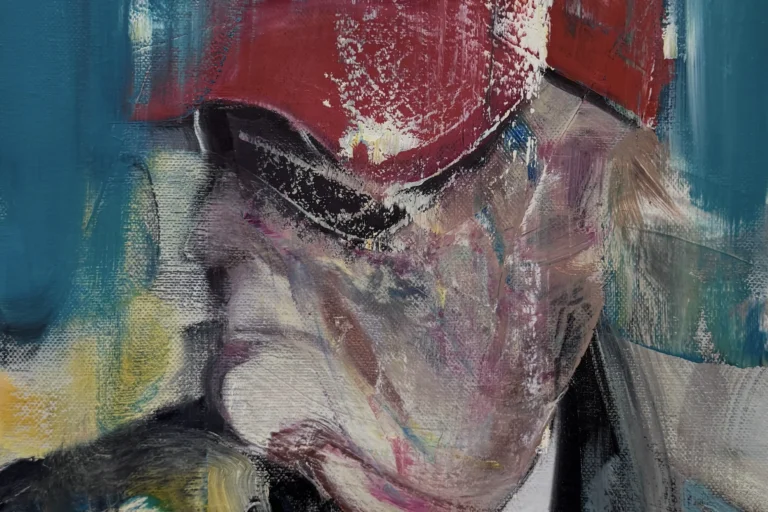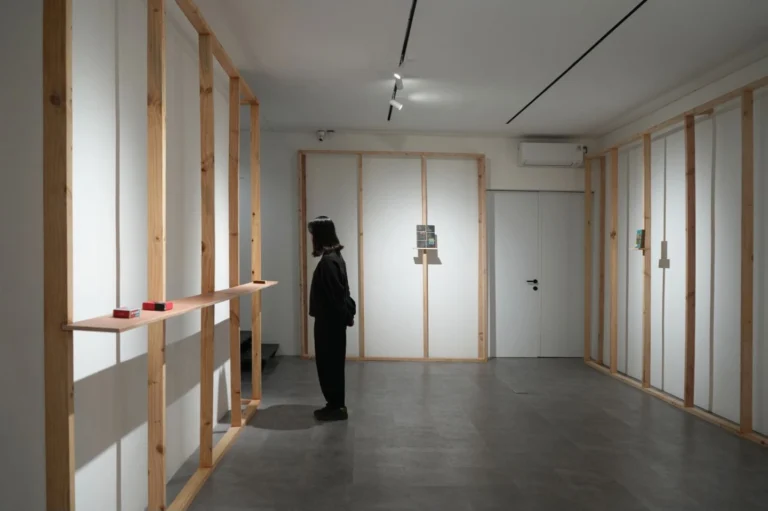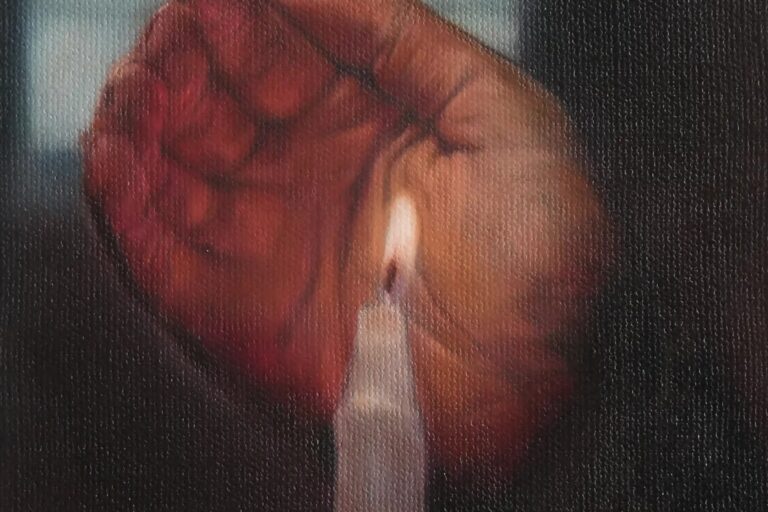

Downstairs of the gallery, visitors encounter Longer, Linger & Angler, which brings together Xiuching Tsay and Pande Wardina through a shared interest into how memory persists in cultural forms. The exhibition departs from the expectation of a clear narrative by positioning tradition as something to be questioned and worked through. It unfolds a conversation, invites attention, and asks viewers to slow down. This approach seems crucial because it shapes how cultural materials are experienced in the present, not as fixed references but as ongoing processes.
This way of working is closely tied to the idea of spectral resonance, where the past is understood as active and unresolved. History does not sit at a distance here. It presses into the present. The exhibition handles this carefully by staying close to specific practices and materials instead of turning them into abstract concepts. Attention to lived experience and material conditions becomes central, reinforcing the exhibition’s emphasis on cultural particularity rather than generalisation.

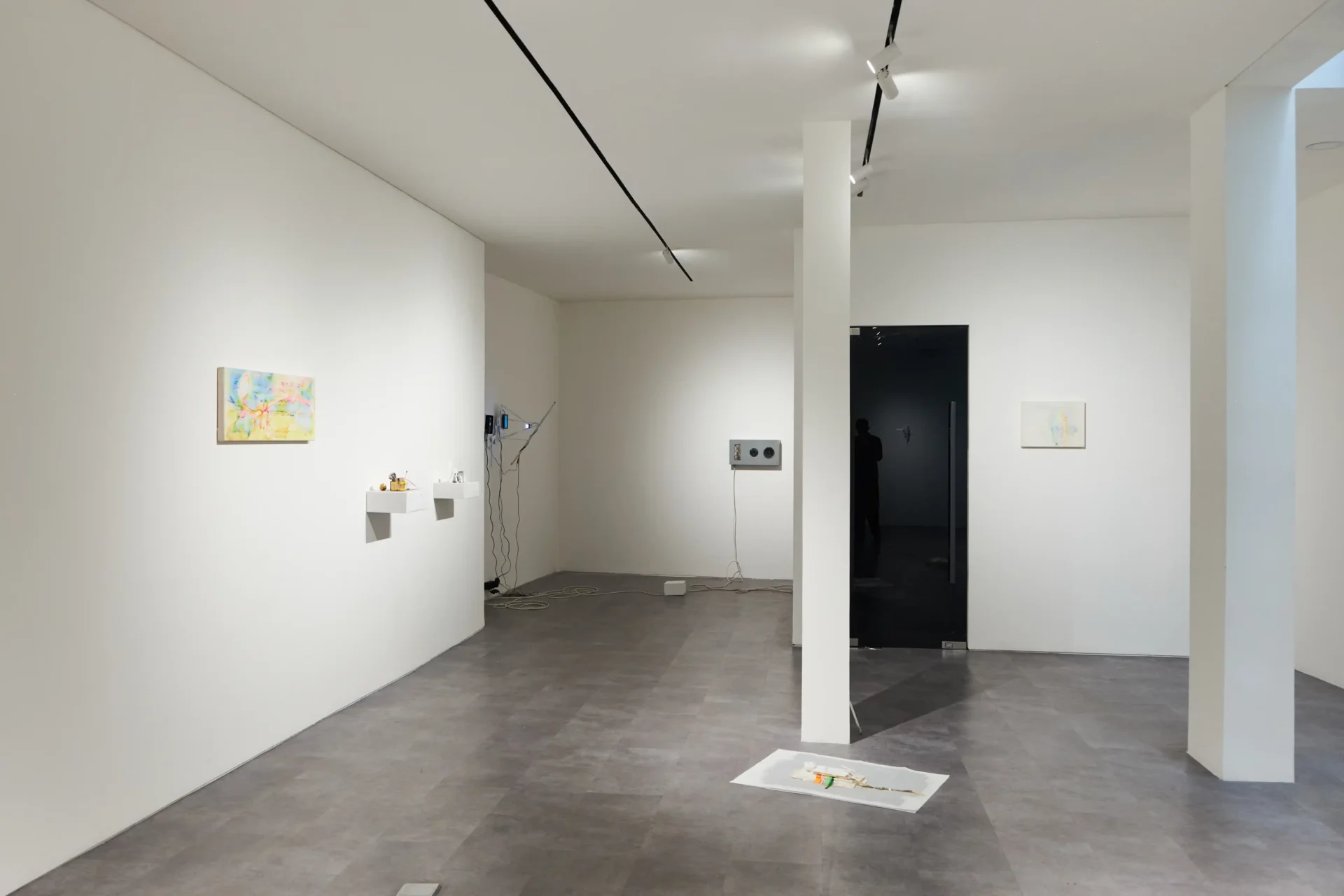
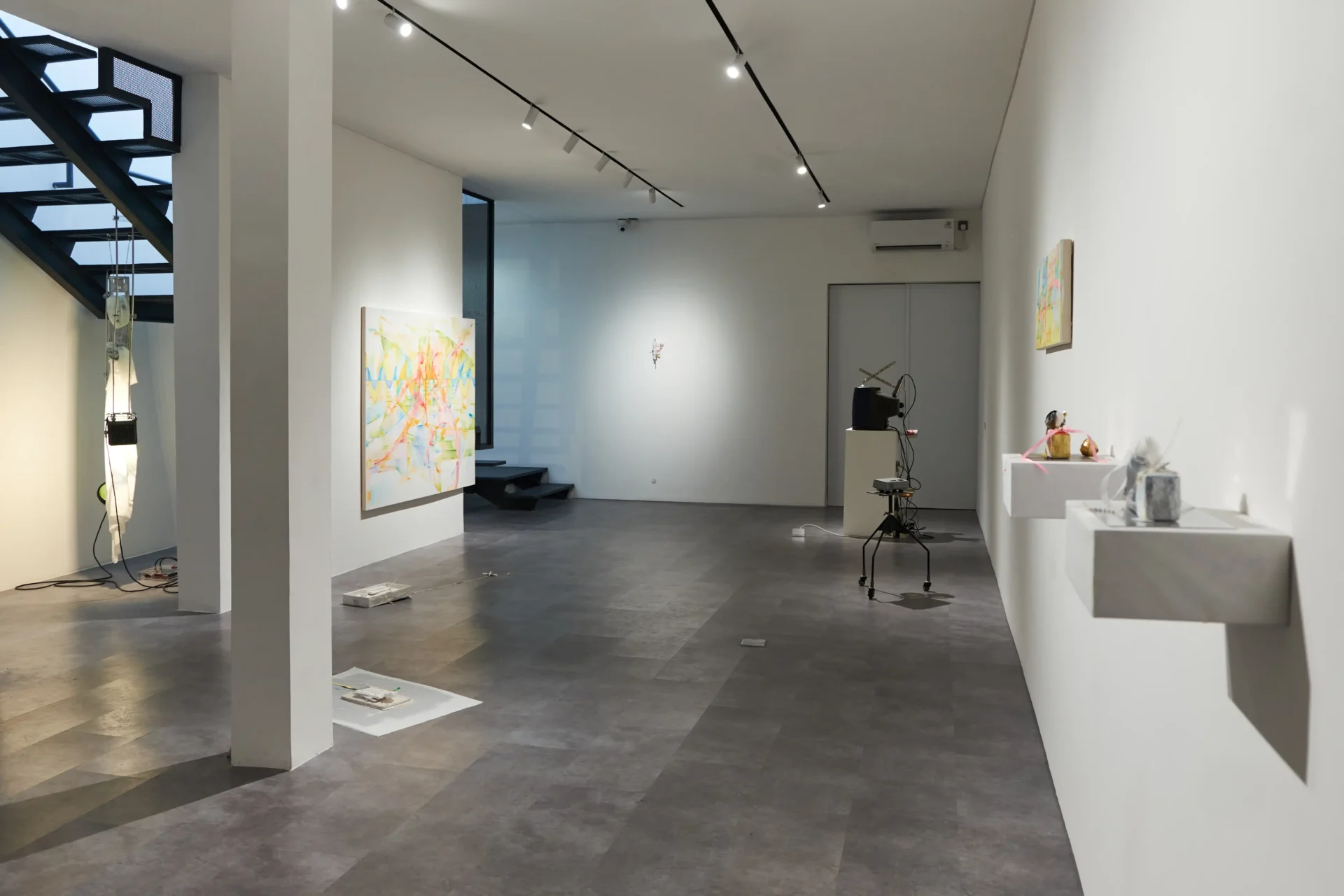
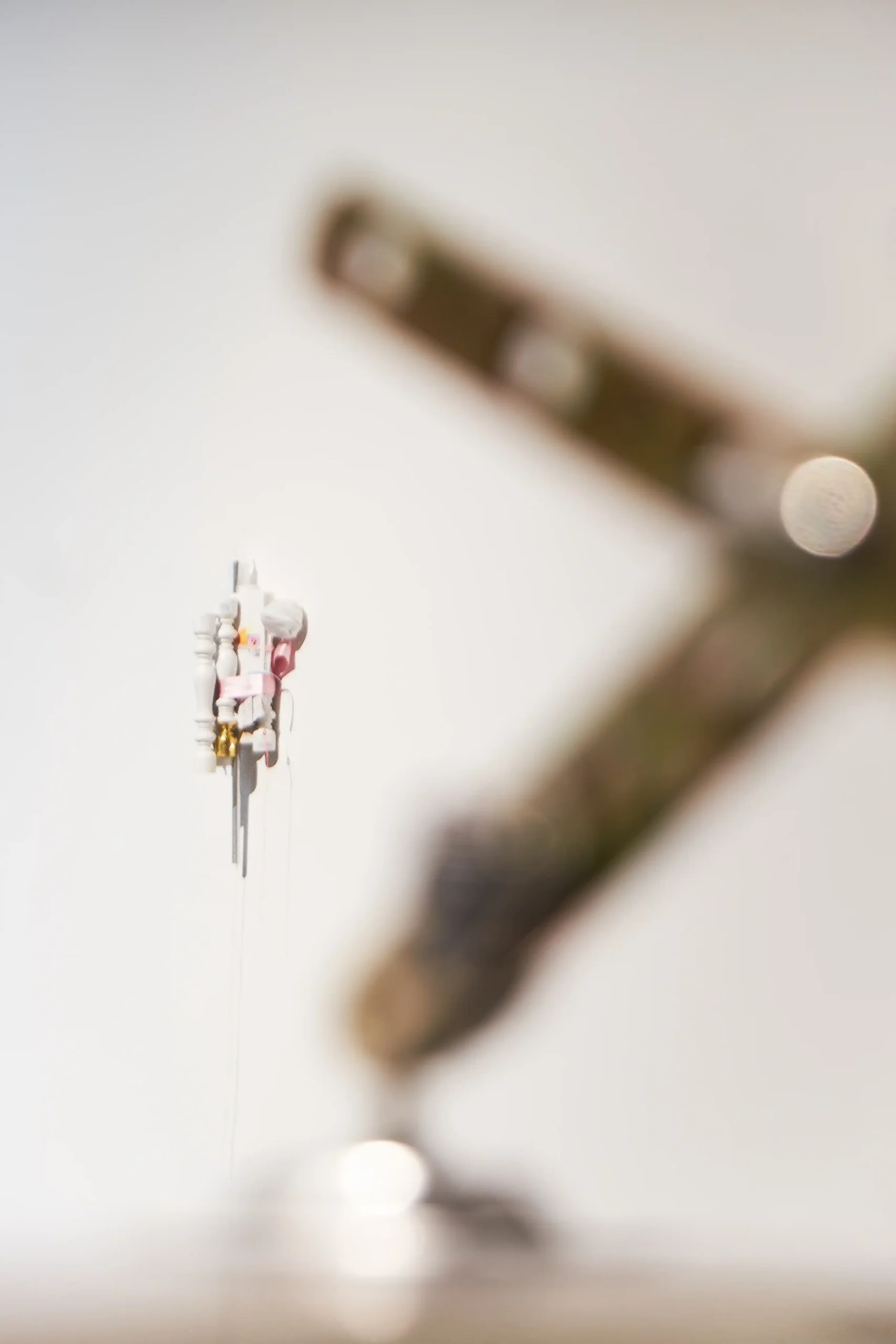
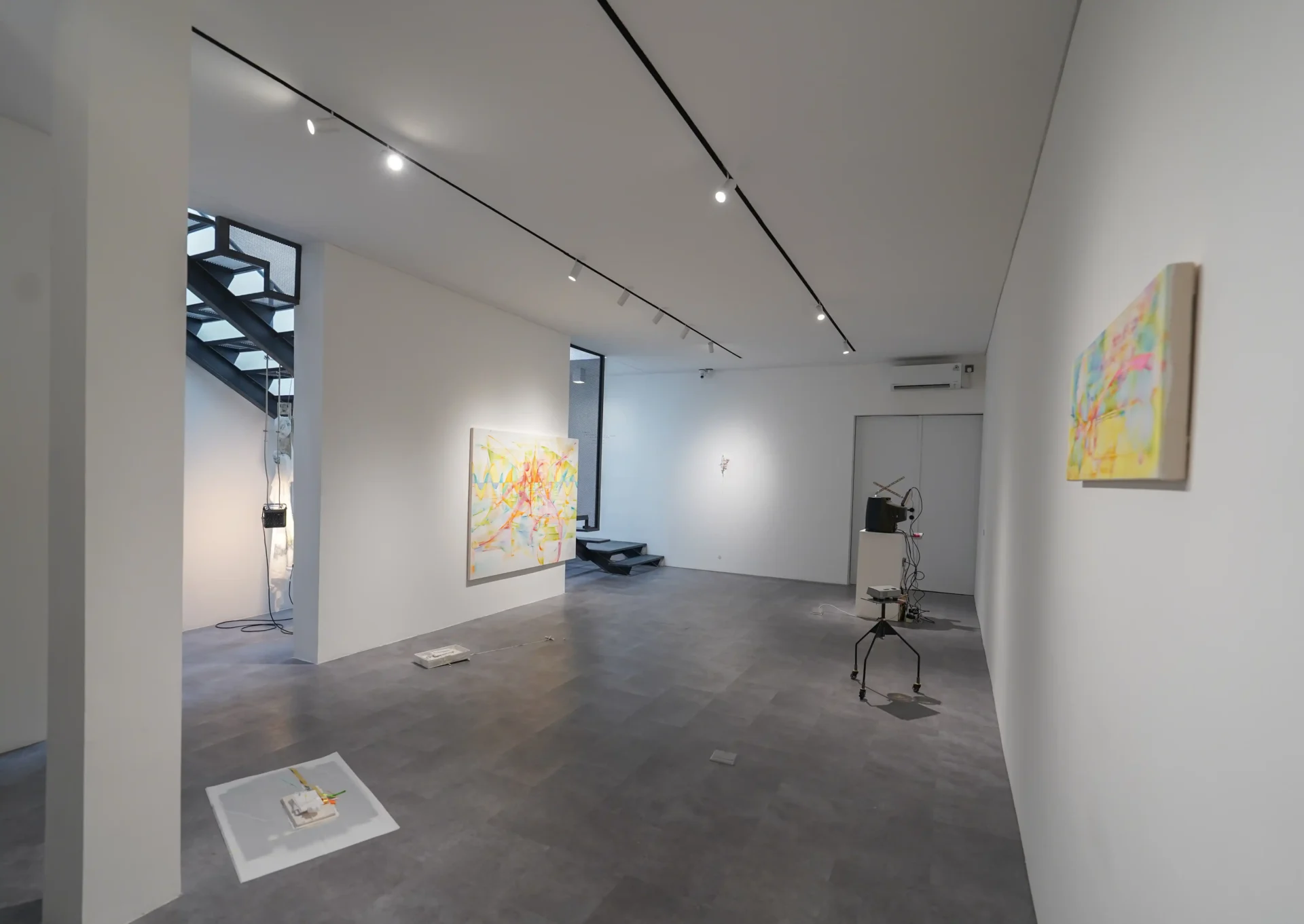
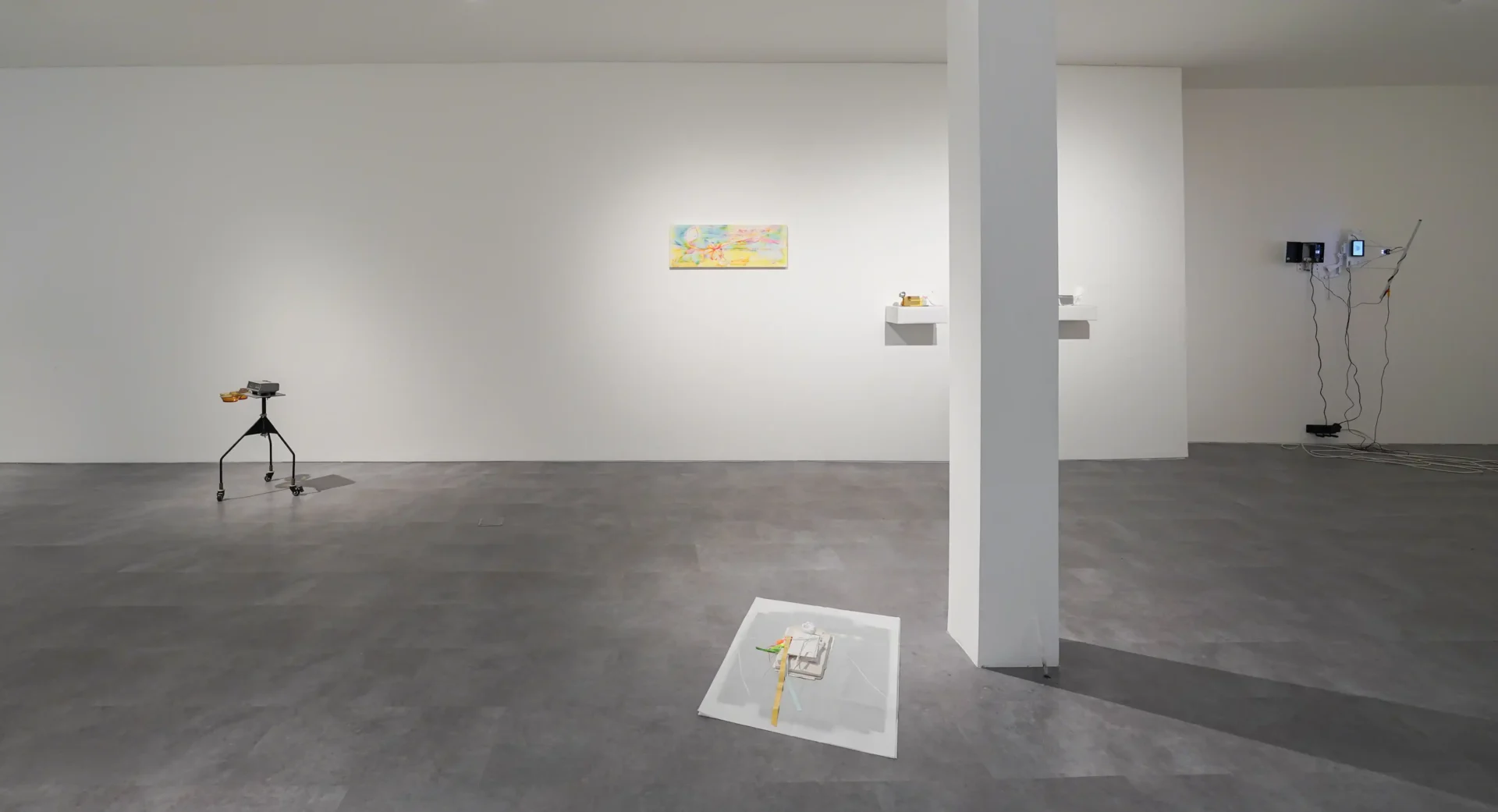
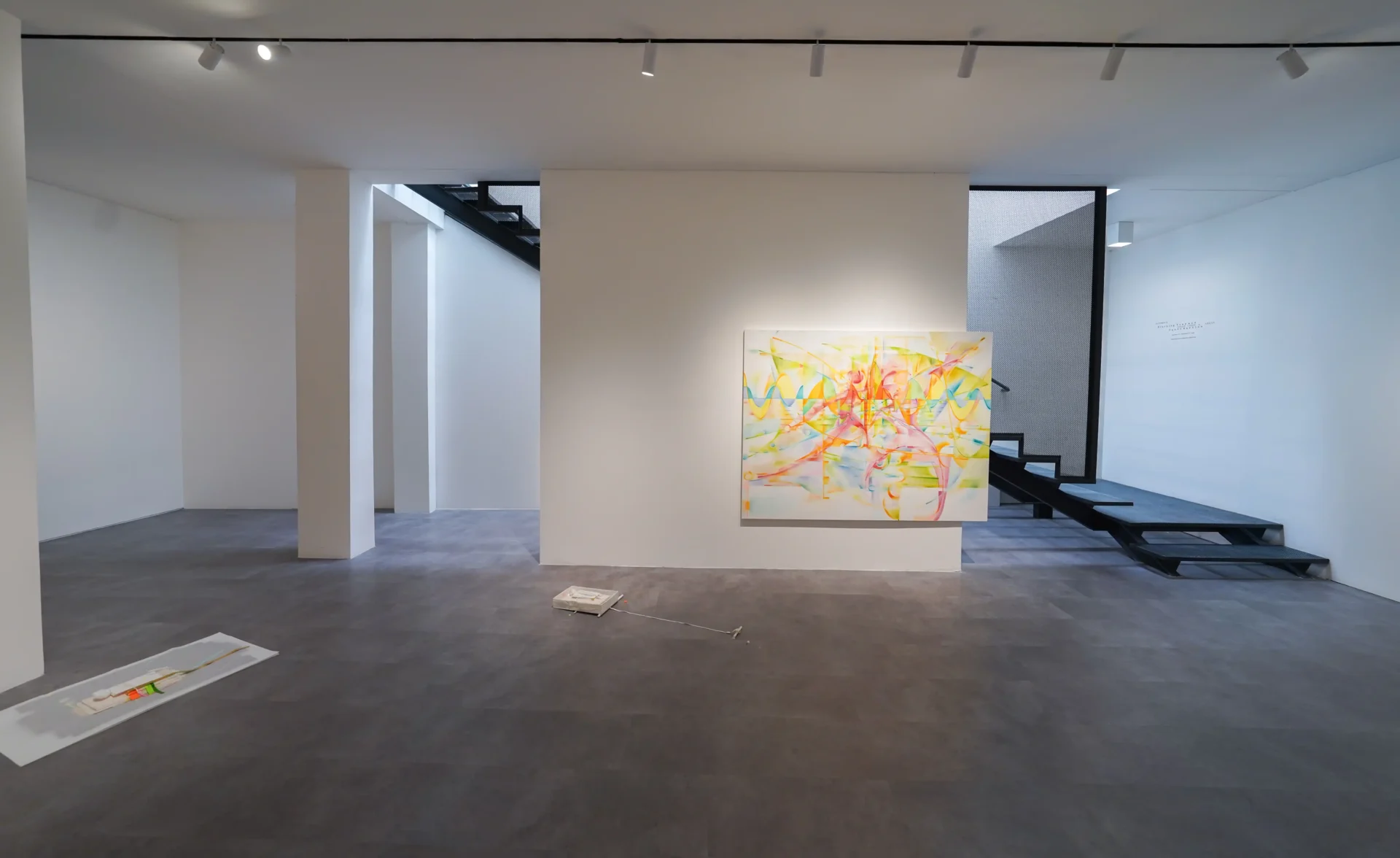
Within this framework, Tsay’s practice approaches the domestic sphere as a fragile archive shaped by repetition and erosion. Her work functions as a Haptic Archive, prioritising fragile materials like paper, wax, and folded forms. Its surfaces resist clarity. Its movements feel transient. Its images remain unstable. This instability is intentional, as Hallucinatory Fluidity allows memory to drift between belief and doubt without settling on a fixed meaning.
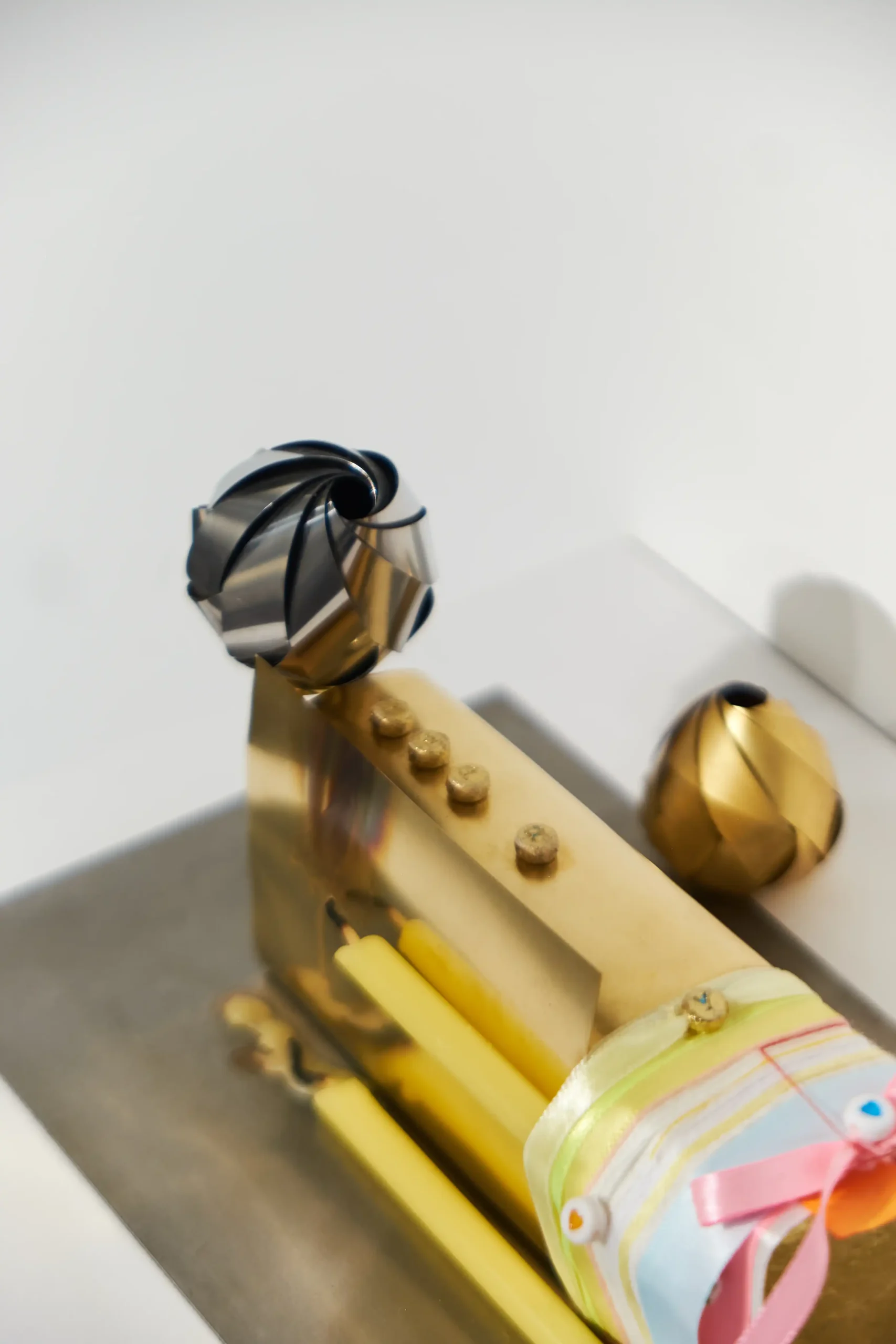
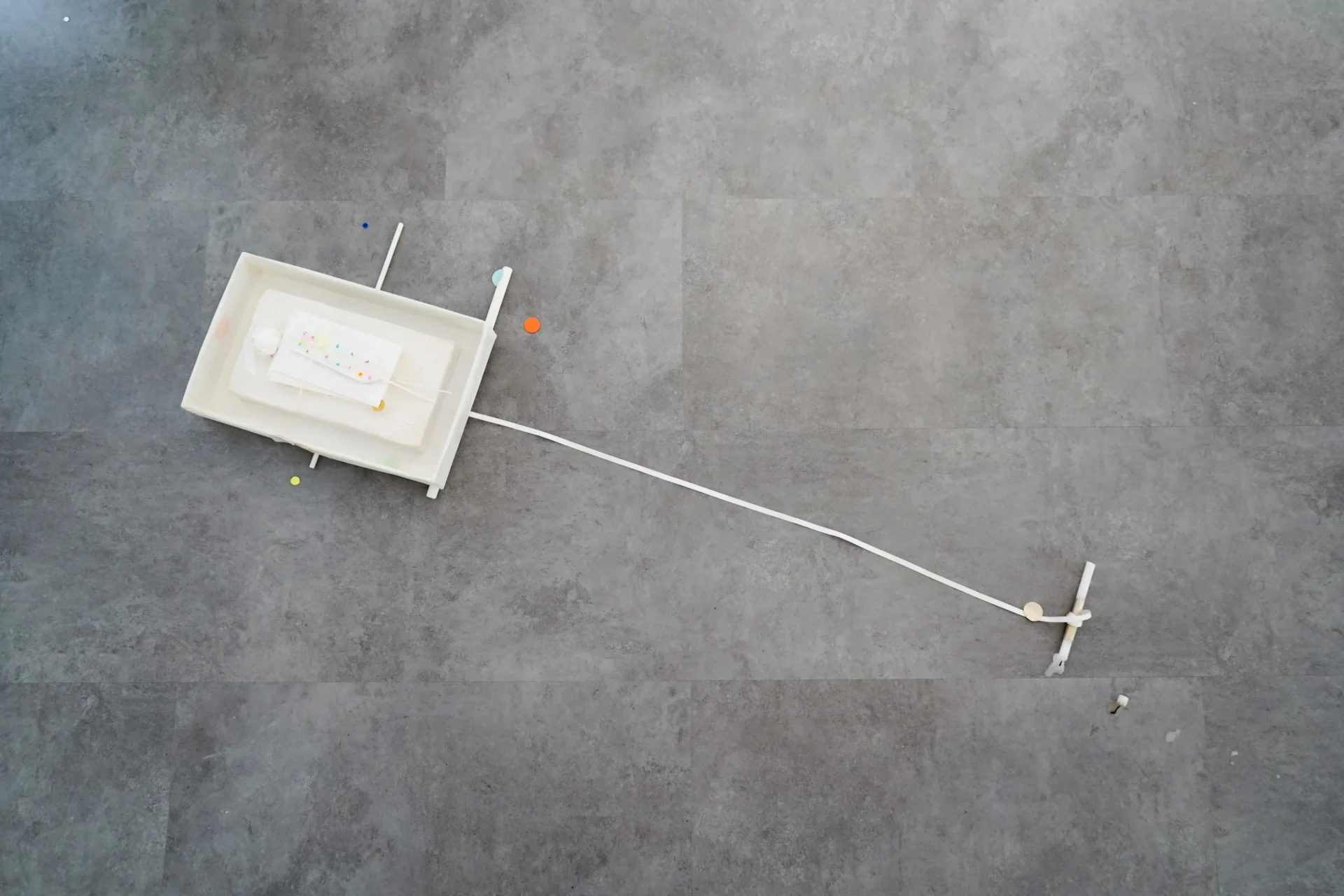
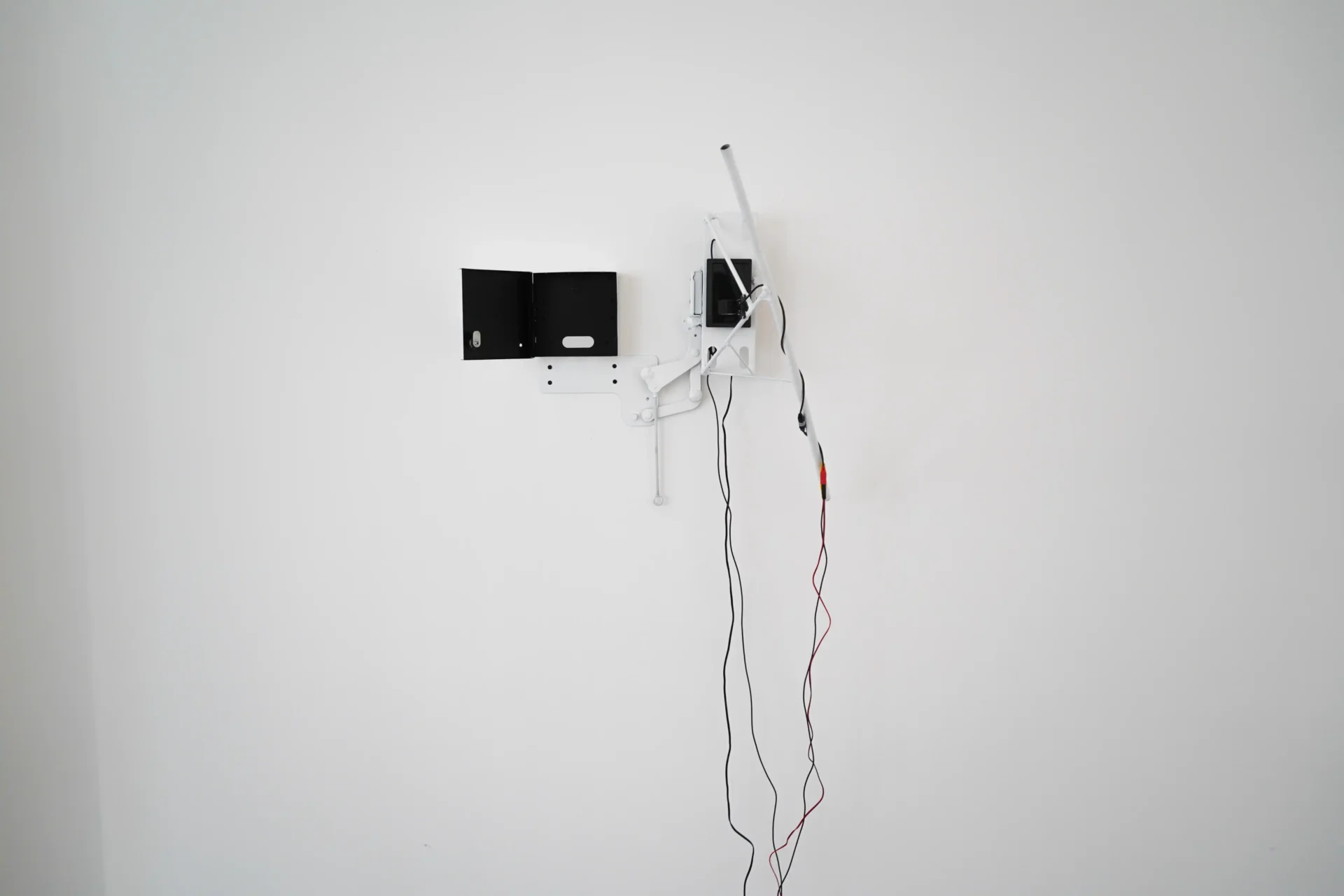
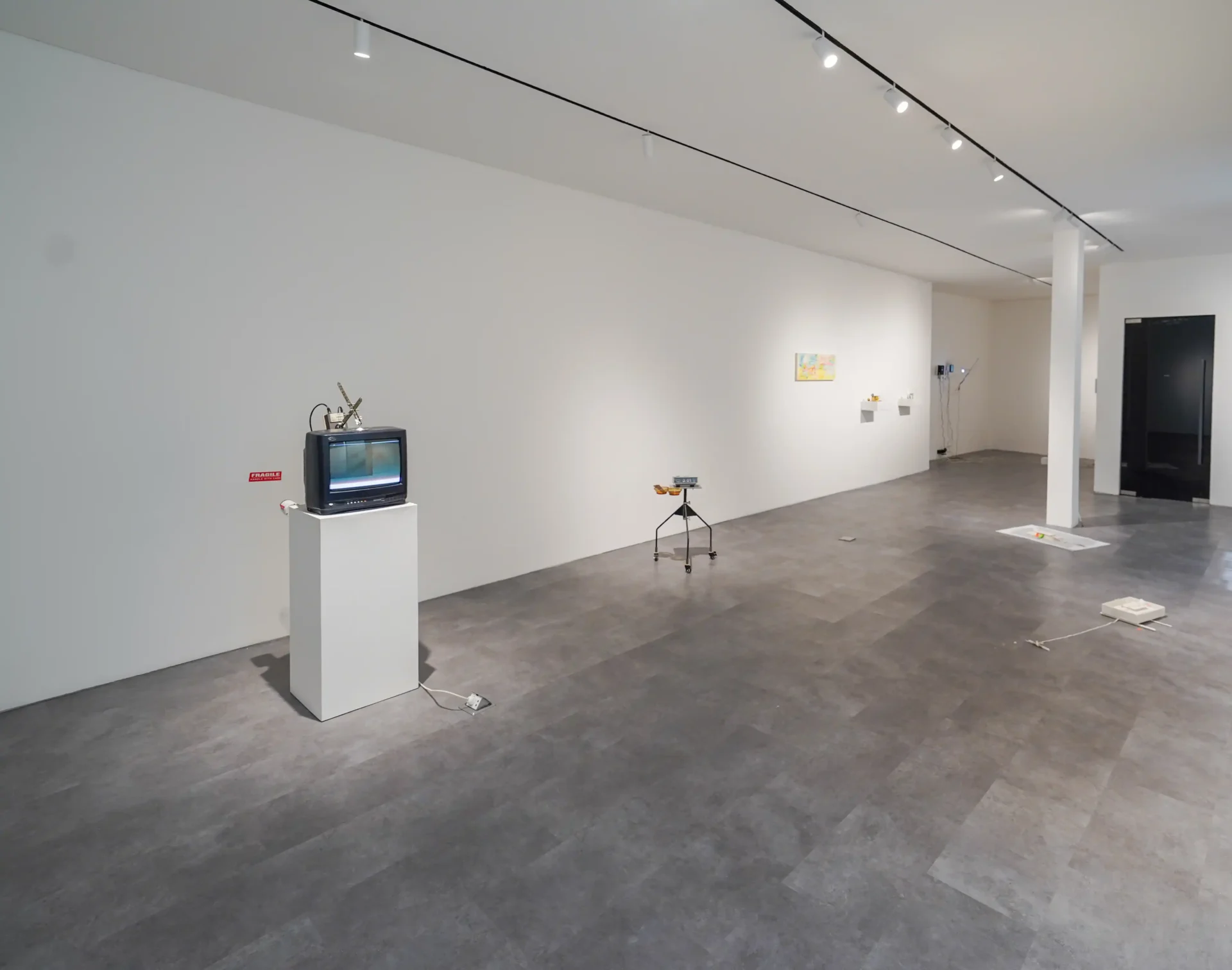
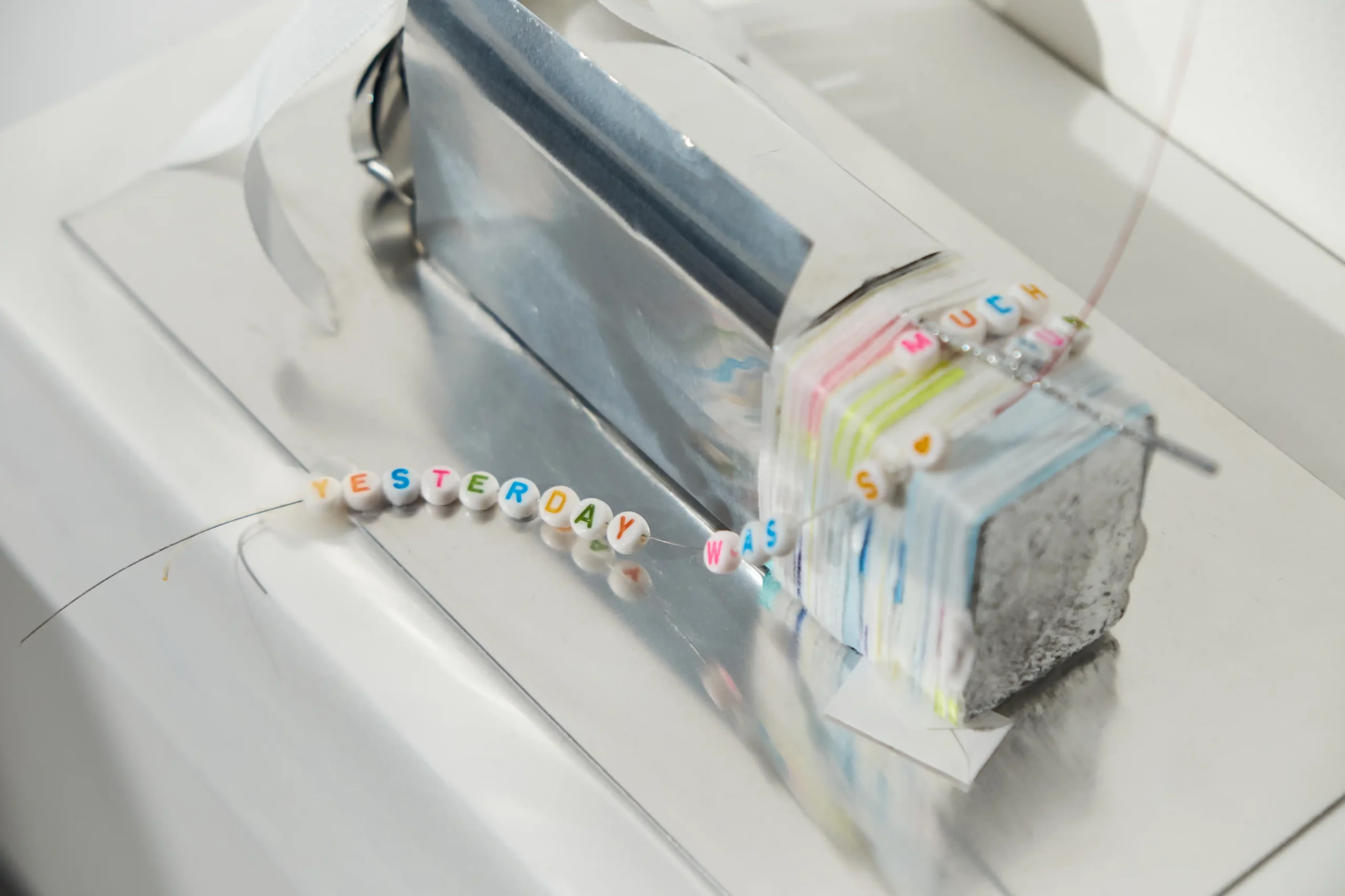
One of Xiuching Tsay’s works, An Extension’s History (2025), gathers a variety of materials into a small but dense sculptural form. Brass, aluminum, wax paper, ribbon, thread, and wax are assembled. The object appears provisional. It appears to have been touched. It appears to have lived with. Tsay treats the accumulation of materials as memory work, as each element carries a distinct temporal and ritual charge that cannot be stabilised.
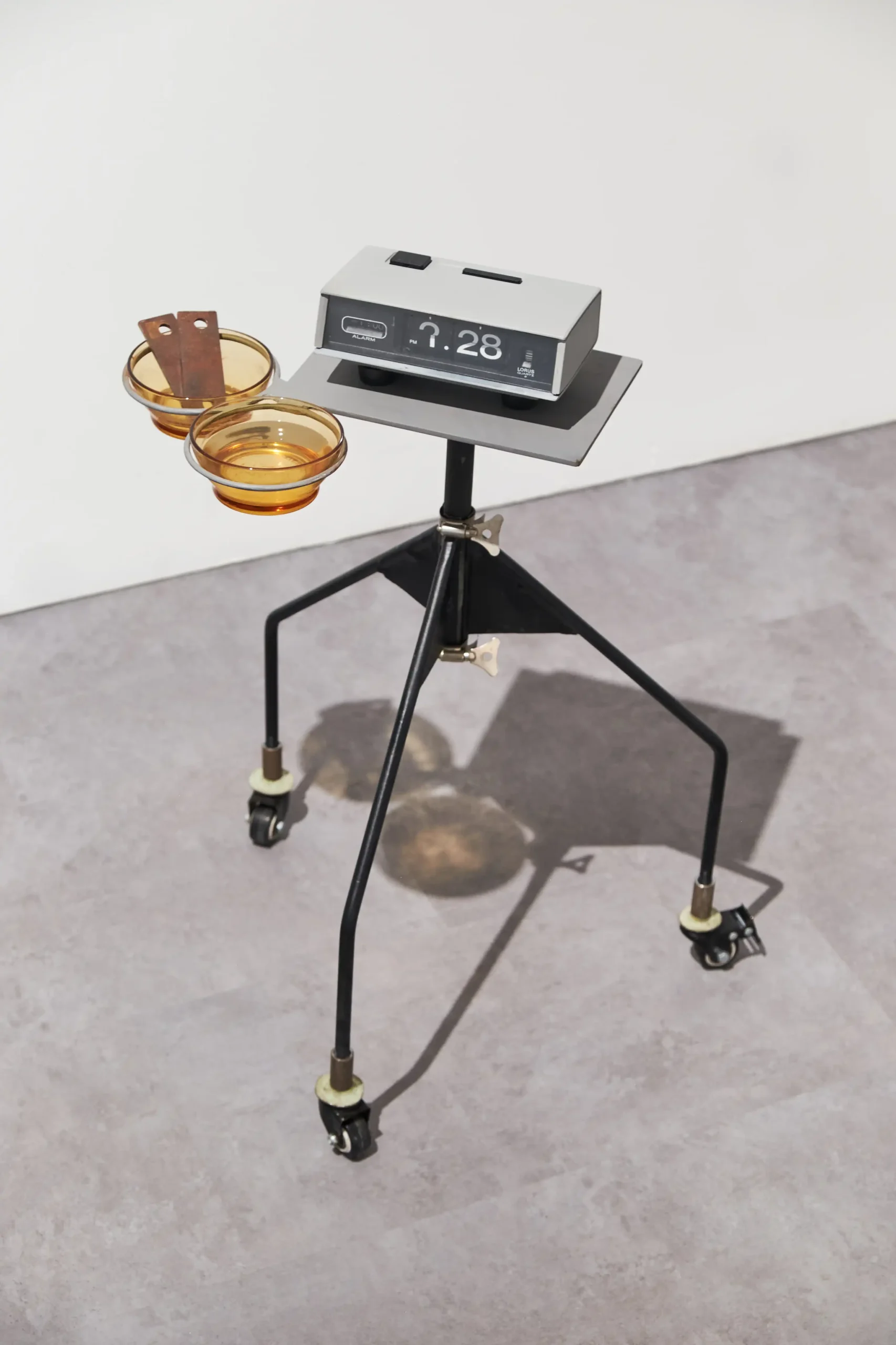
Wardina’s work expands the conversation by examining ritual through technological mediation. His installations function as Allegories of Mechanized Displacement, translating spiritual systems into circuits, delays, and glitches. The machines flicker. The sounds fracture. The structures feel incomplete. This tension arises because ritual, when filtered through technological logic, risks becoming hollowed out, revealing how cultural practices shift under external pressures rather than remaining intact.
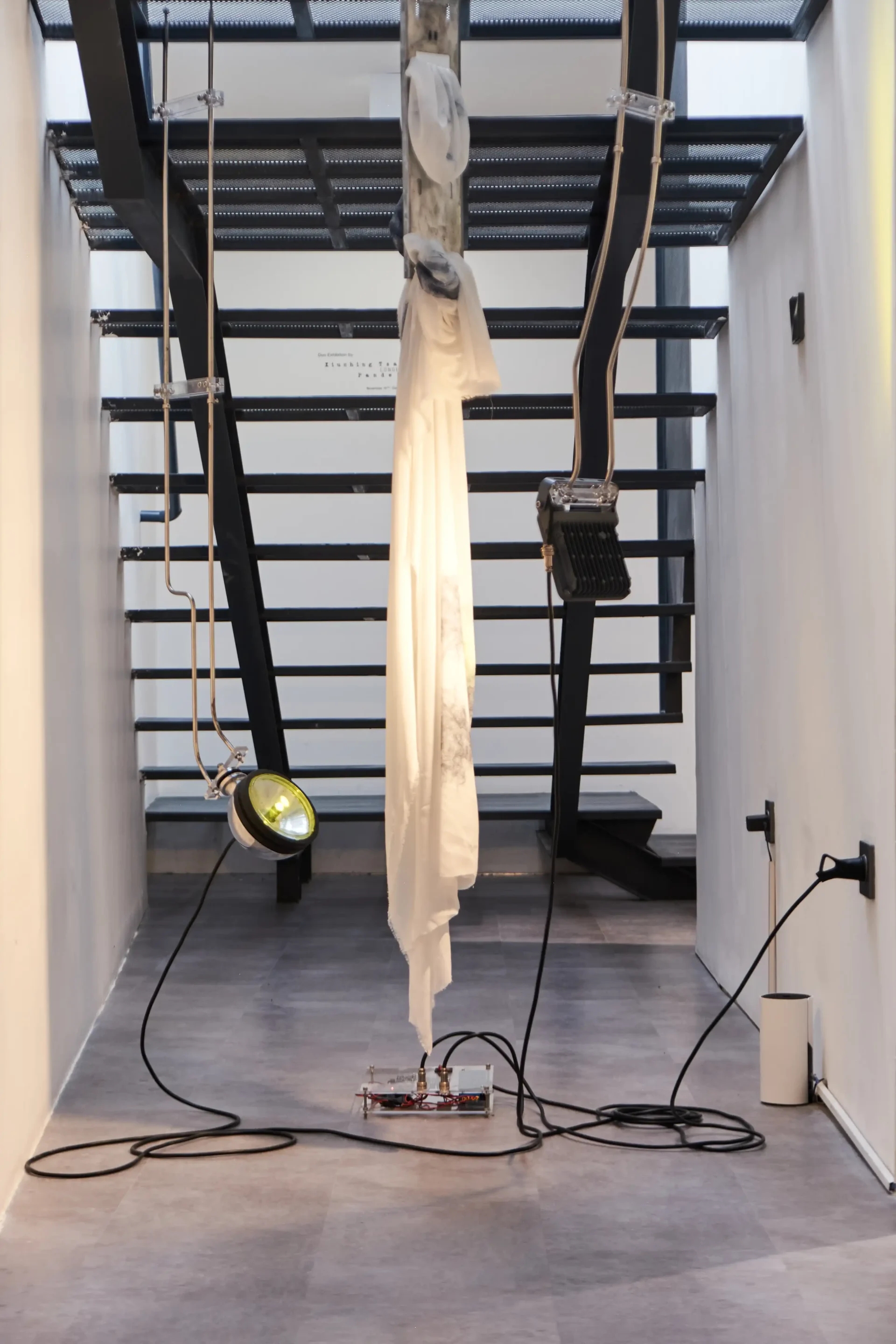
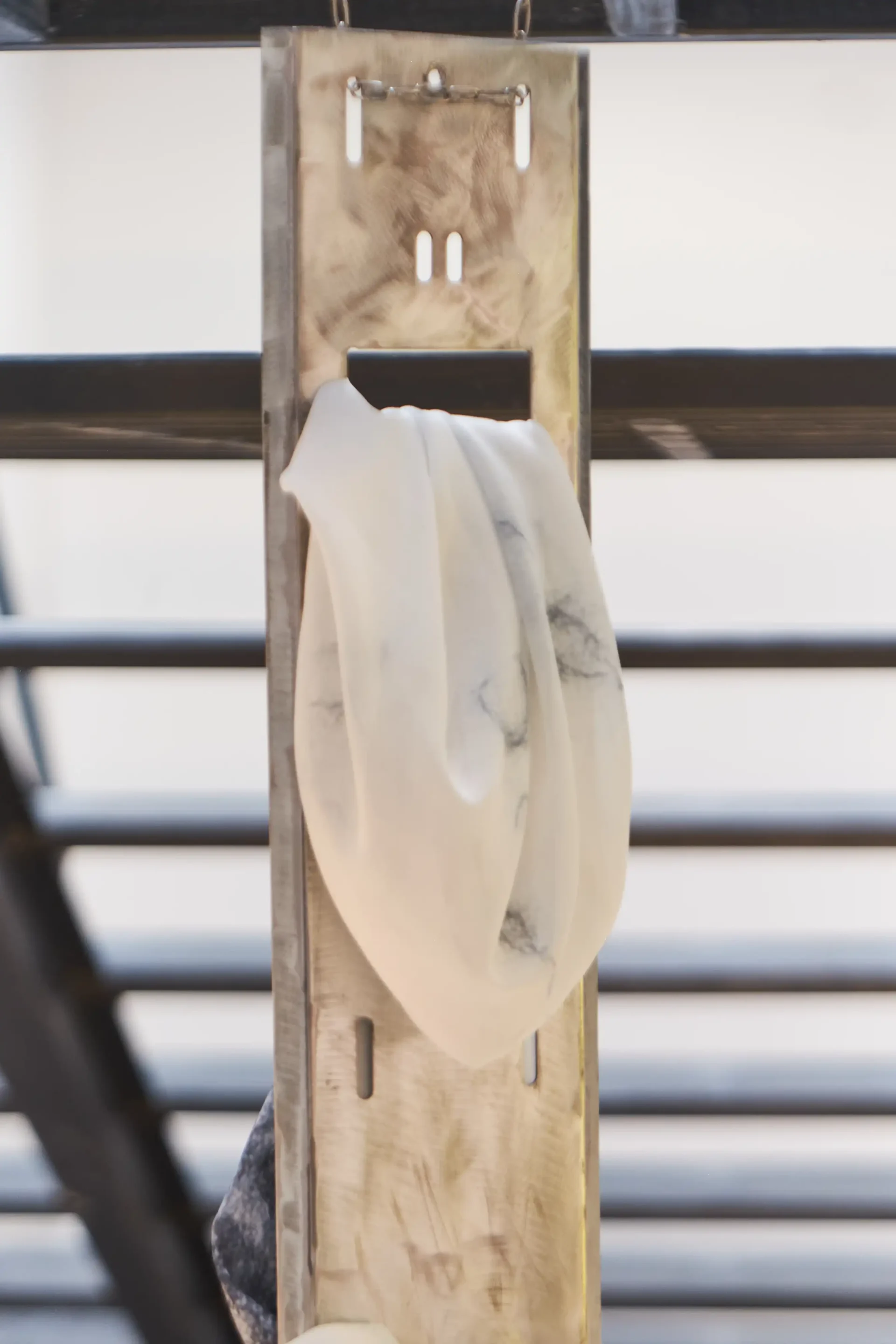
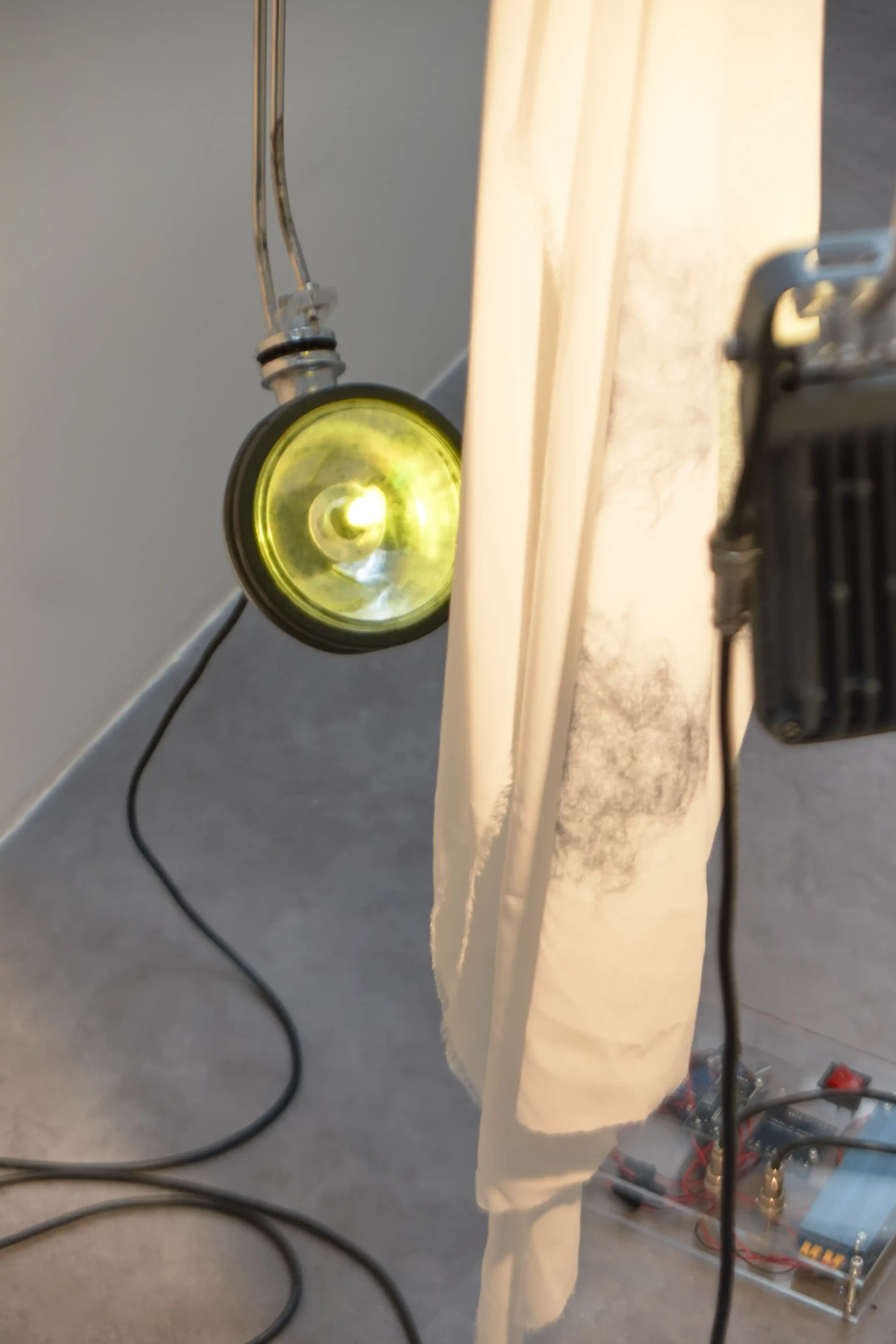
This concern with translation and fragility continues in one of Pande Wardina’s works, Cahaya Yang Satu (2025), which articulates ritual through a restlessly controlled technological structure. The stainless steel body stands upright, held together by a lighting system and controller that regulates the illumination. The light pulsates. This controlled emission is significant because Wardina frames light as a sacred sign as well as a technical output, as spiritual unity is translated into programmable sequences. This work exposes how ritual coherence is at risk of being diminished when belief systems are transposed through mechanical logic, turning devotion into calibration rather than collective embodiment.
ara contemporary
Longer, Linger & Angler
Xiuching Tsay and Pande Wardina
15 November – 21 December 2025
ara contemporary
Jalan Tulodong Bawah I no 16
Jakarta Selatan
Jakarta 12190, Indonesia