
There’s no point in denying the fact that ‘paper’, in its most common understanding, is a fragile material, yet it carries (hi)stories like no other. For thousands of years, it has been filled with human experiences. It records births, it holds feelings written in letters, it has also witnessed how lands are stolen, how documents are drafted, altered, stamped, copied, and circulated. ‘Paper’ binds us to life, sometimes inevitably, and at times it’s overshadowed by ‘death’ – in matters violence, loss, dispossession and the aftermath of what cannot be undone. The fragile line between safety and threat, and into the way homes are built, secured, and lived in.
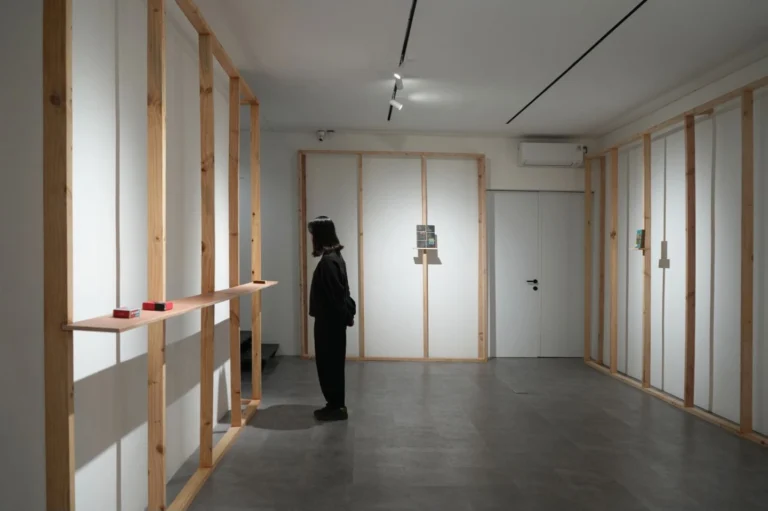
It is this same fragile material, already loaded with records and scars, that Bandung-based artist Irfan Hendrian takes as his starting point for his solo show CLOSED at ara contemporary. This exhibition introduces his work Chinatown Window Sample in its main gallery, and an open studio display downstairs at its Focus gallery. The exhibition runs from 31 January to 17 March 2026, becoming the gallery’s first programme of the year. In this show, Hendrian centres this exhibition on the materiality of paper, tracing through its structure, record, and he insists on looking ‘into’ the medium – not ‘on’, not ‘with’, not ‘upon’.
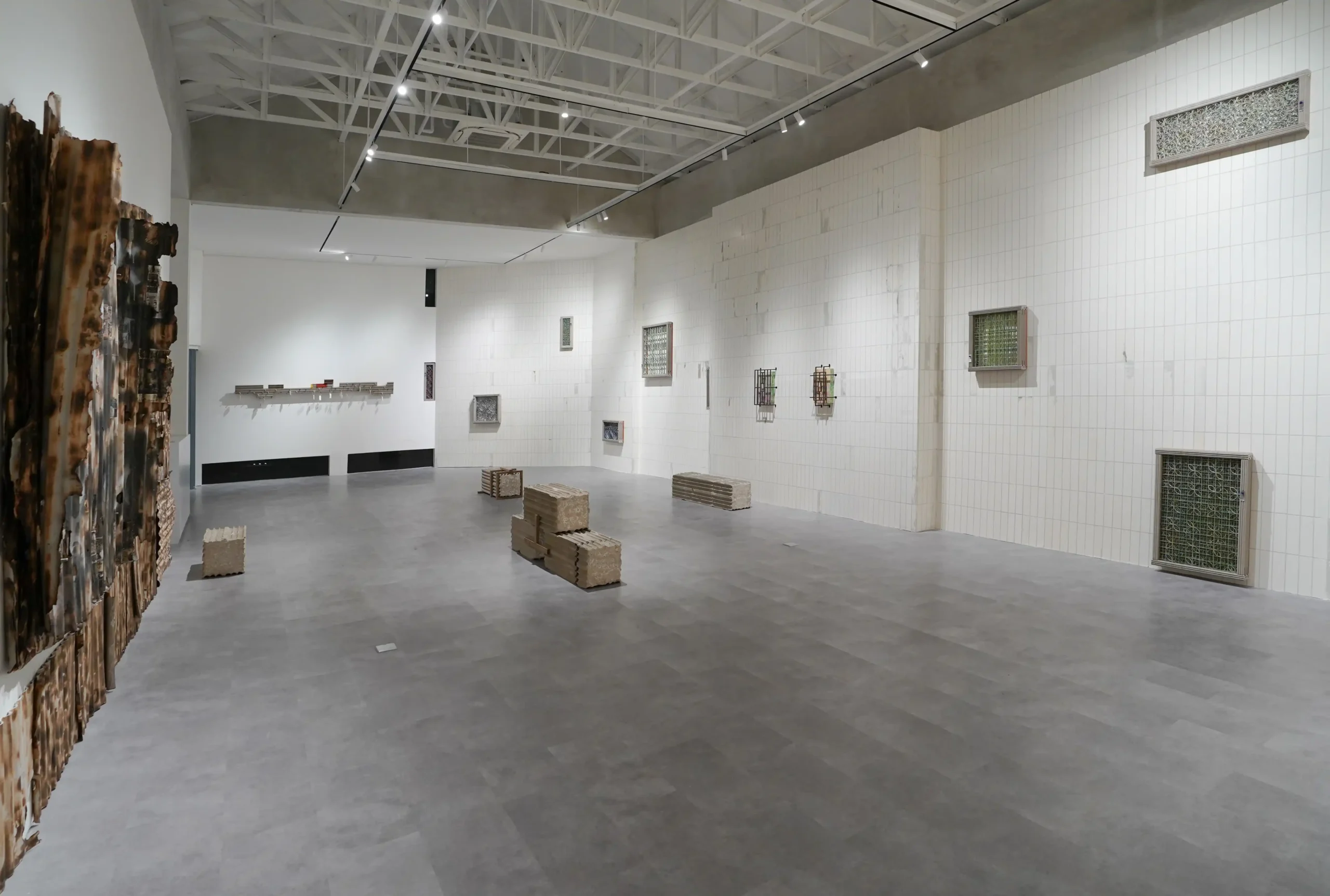
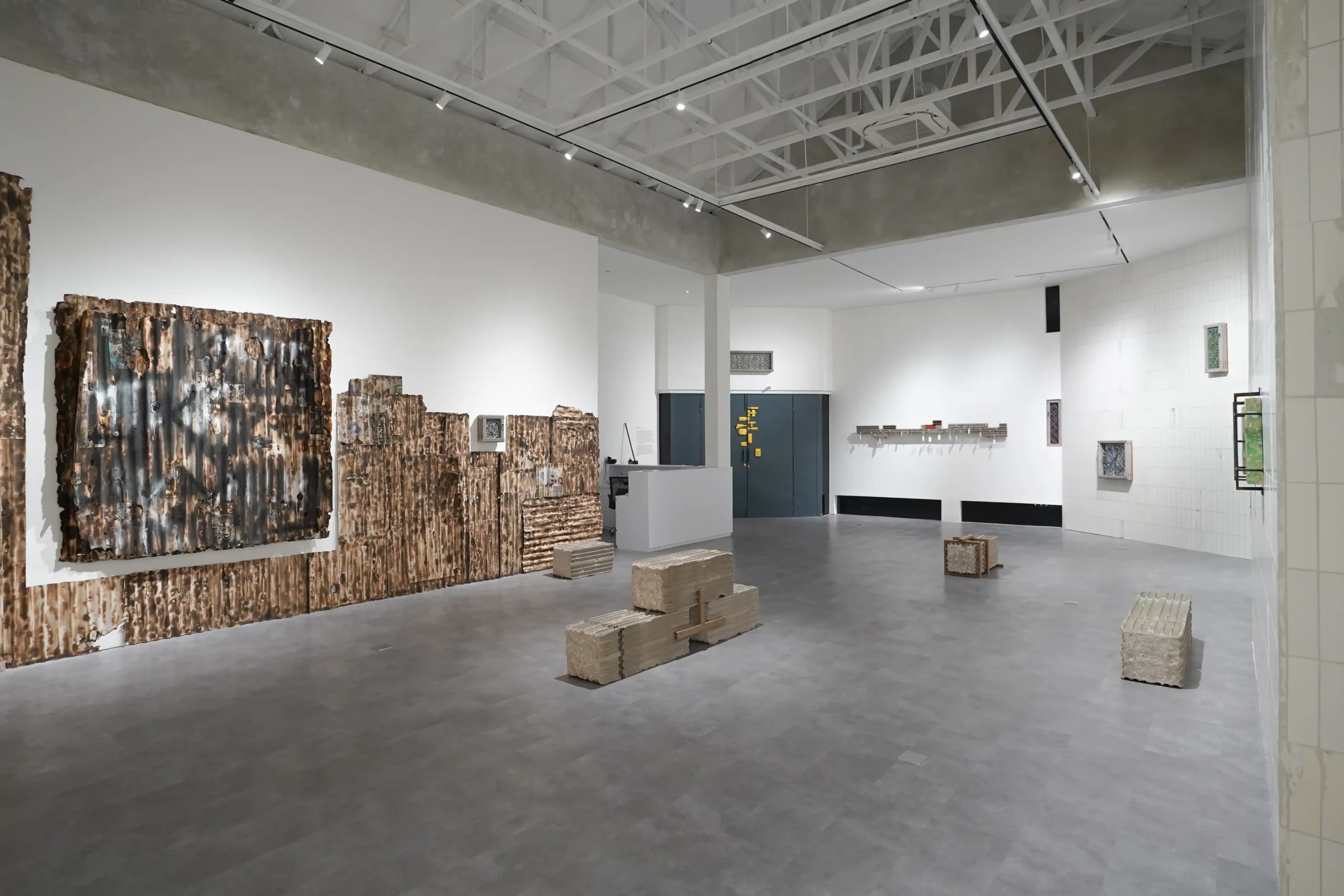
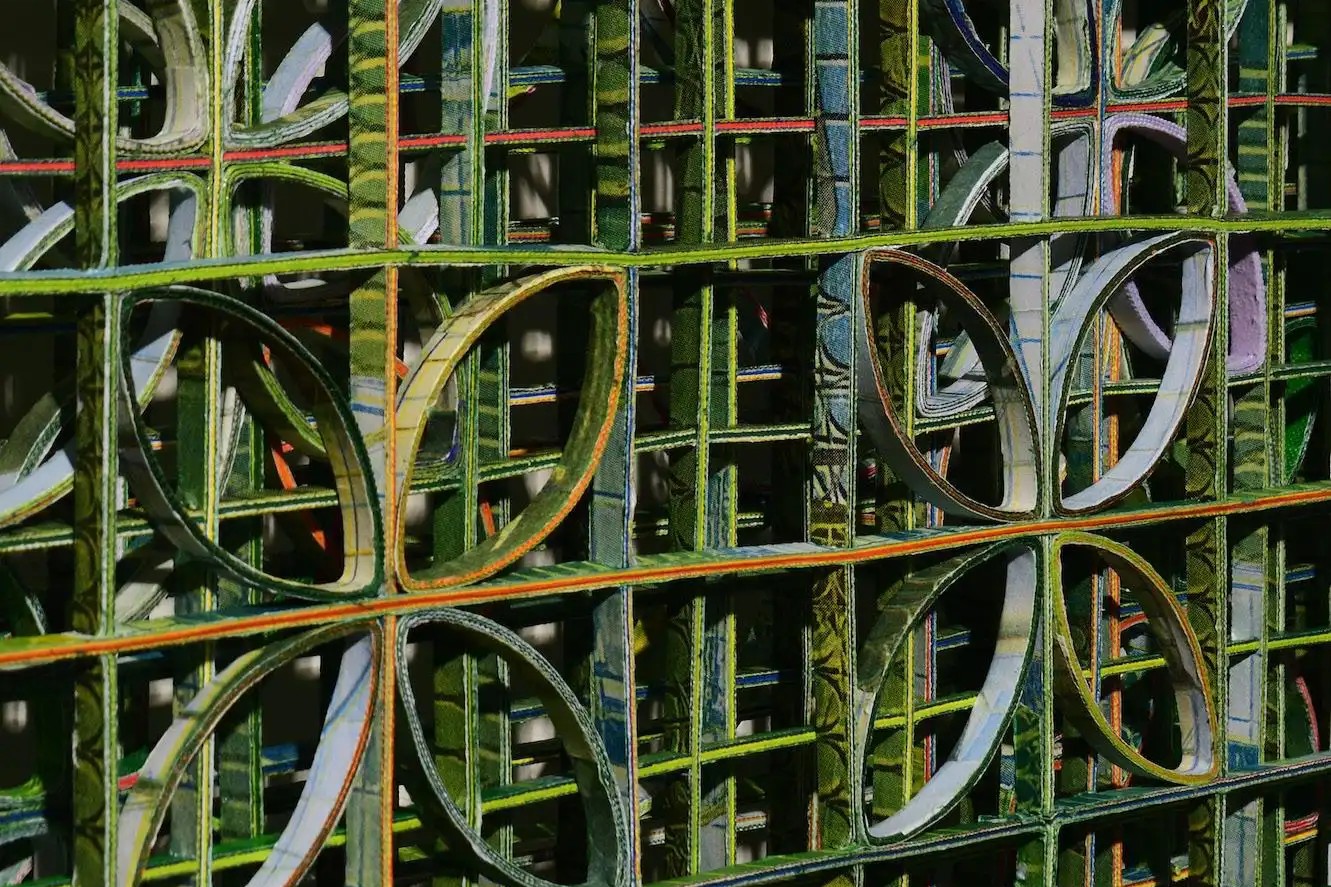
Hendrian always starts from a single sheet. He prints photographs in hundreds of copies using the technique of risography, resulting in a slight shift in each copy. He then slices and stacks them through dye-cutting and machine processes, so that only thin lines of ink appear along the edges and suggests what he calls ‘history as a layered artifact’ without illustrating it directly.
These thin edges slowly form into trellises and window grilles in the work Chinatown Window Sample, and the shapes refer directly to shophouses (ruko) in Bandung where iron bars cover its windows and doors. The work stands upright, like guarded façades, and they feel ‘contained’. Hendrian remembers visiting a friend’s dark and damp shophouse in 2000, where the coloured windows were sealed behind layers of trellises and every access was locked. He named these recurring motifs as ‘an architecture of fear’.

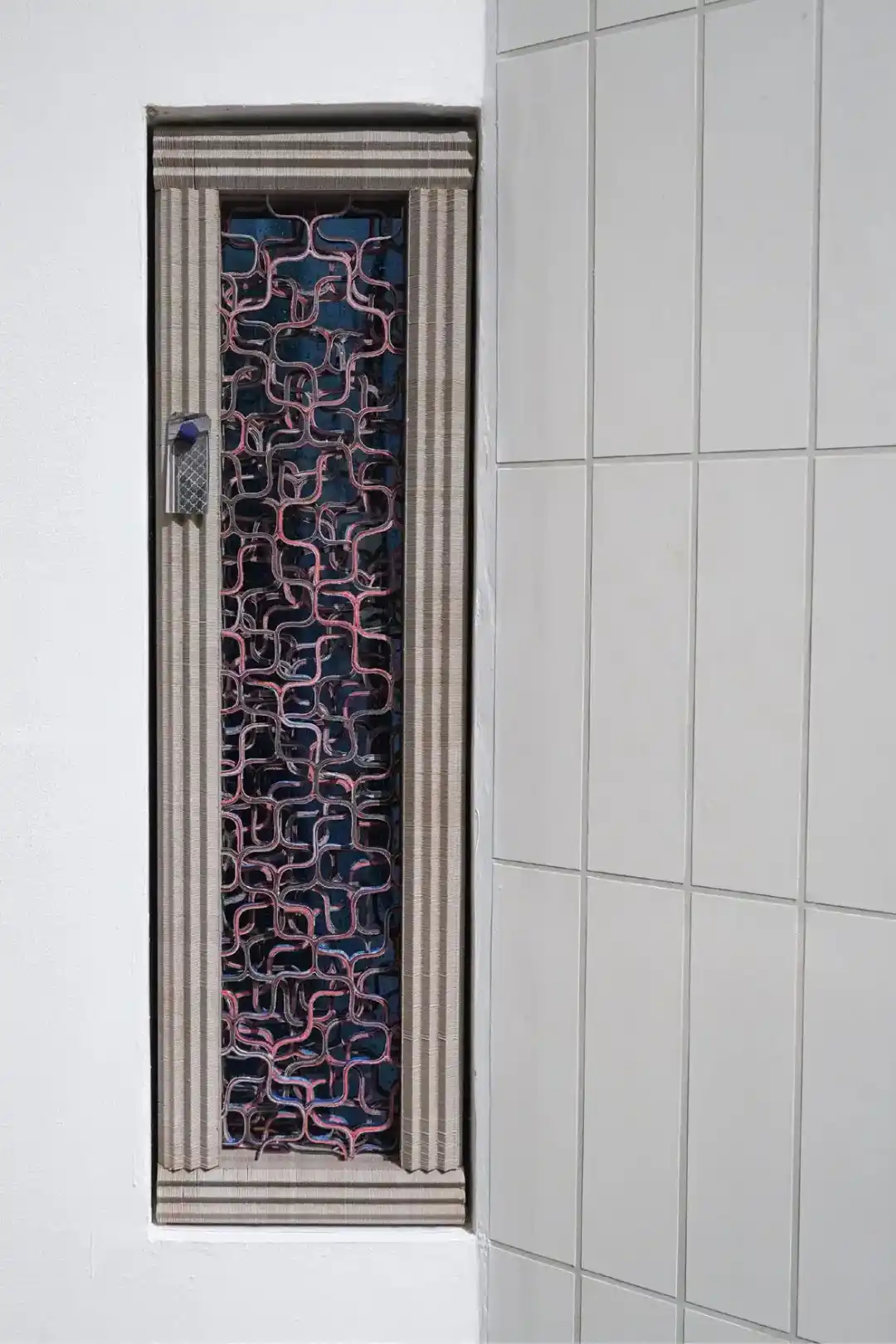
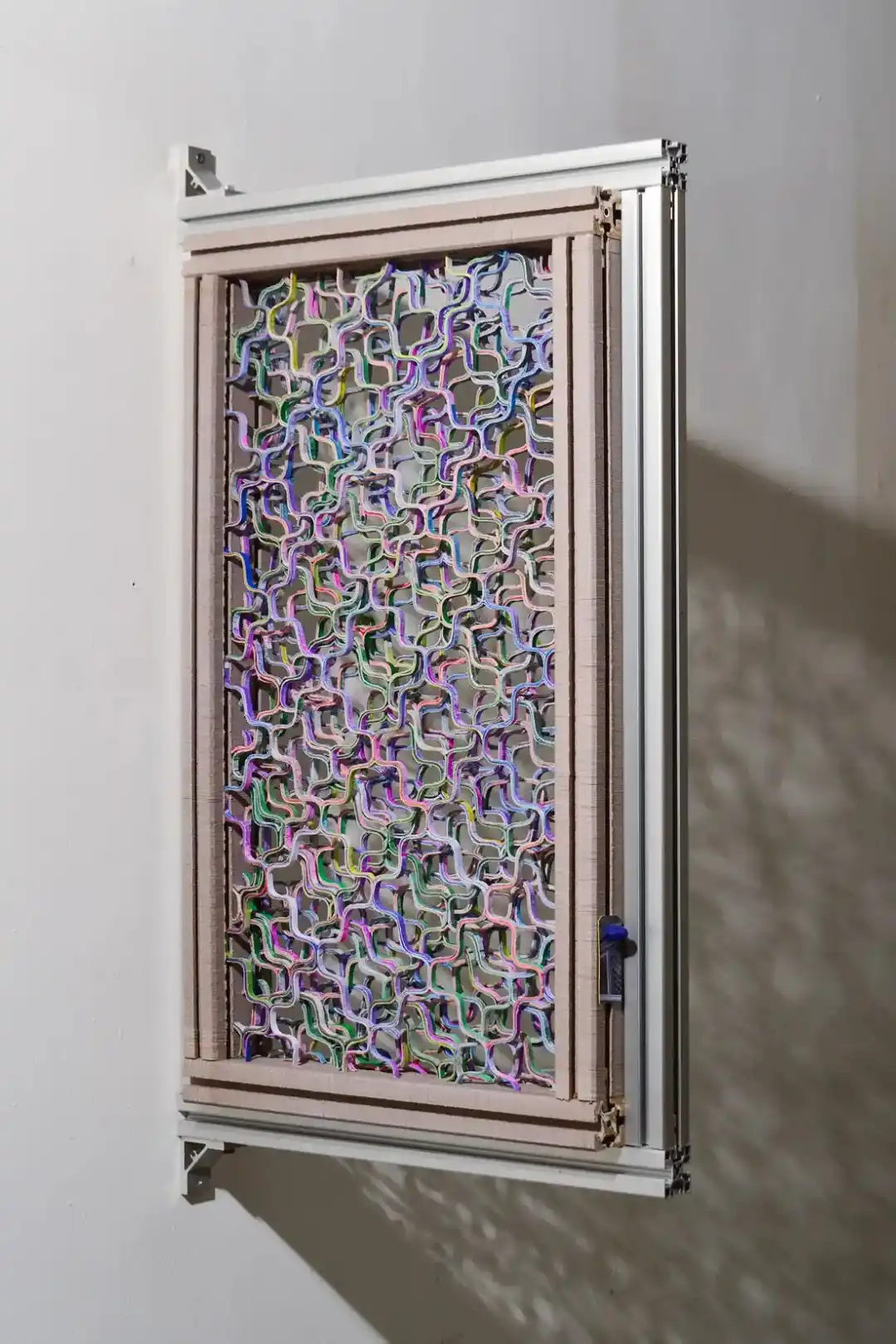
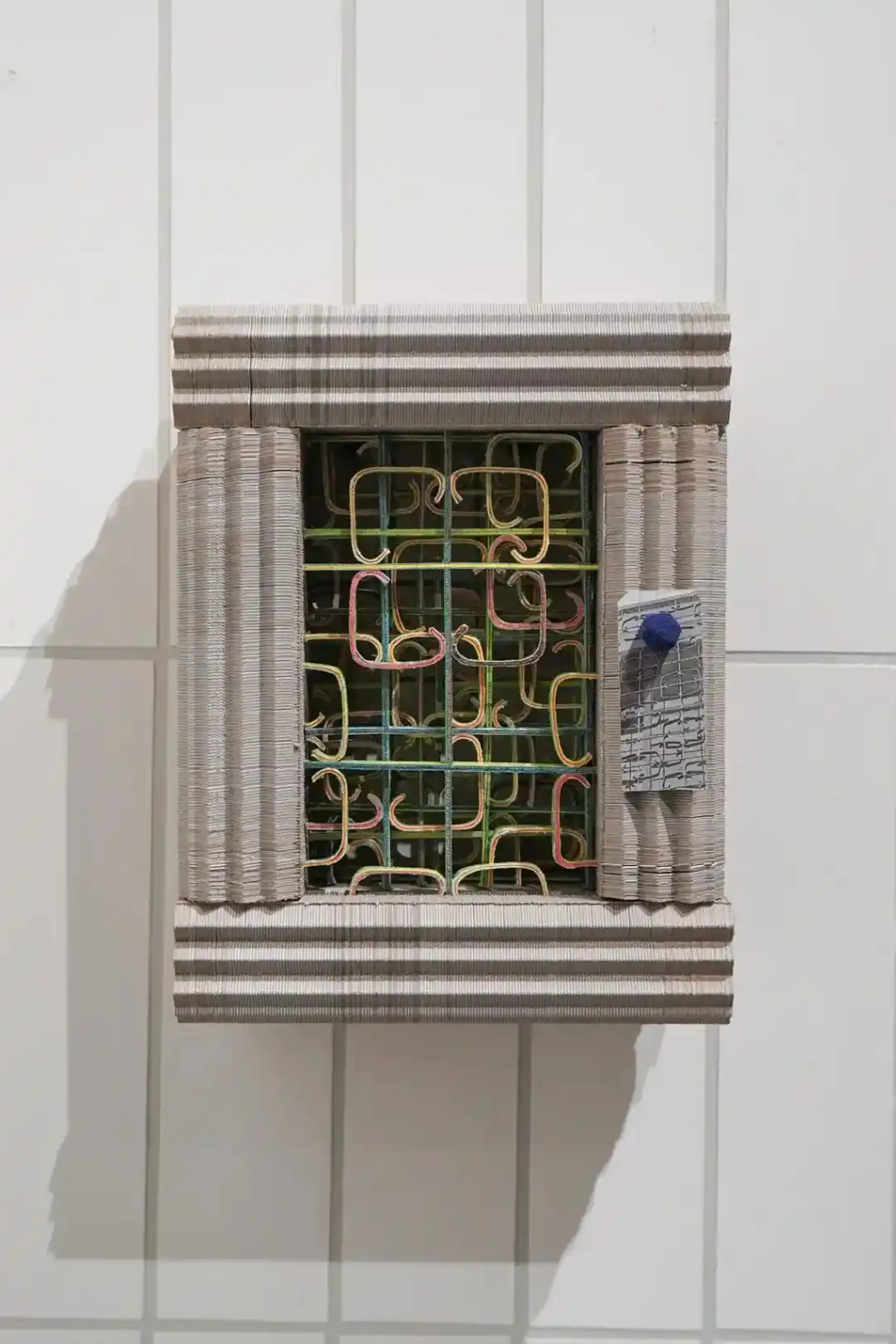
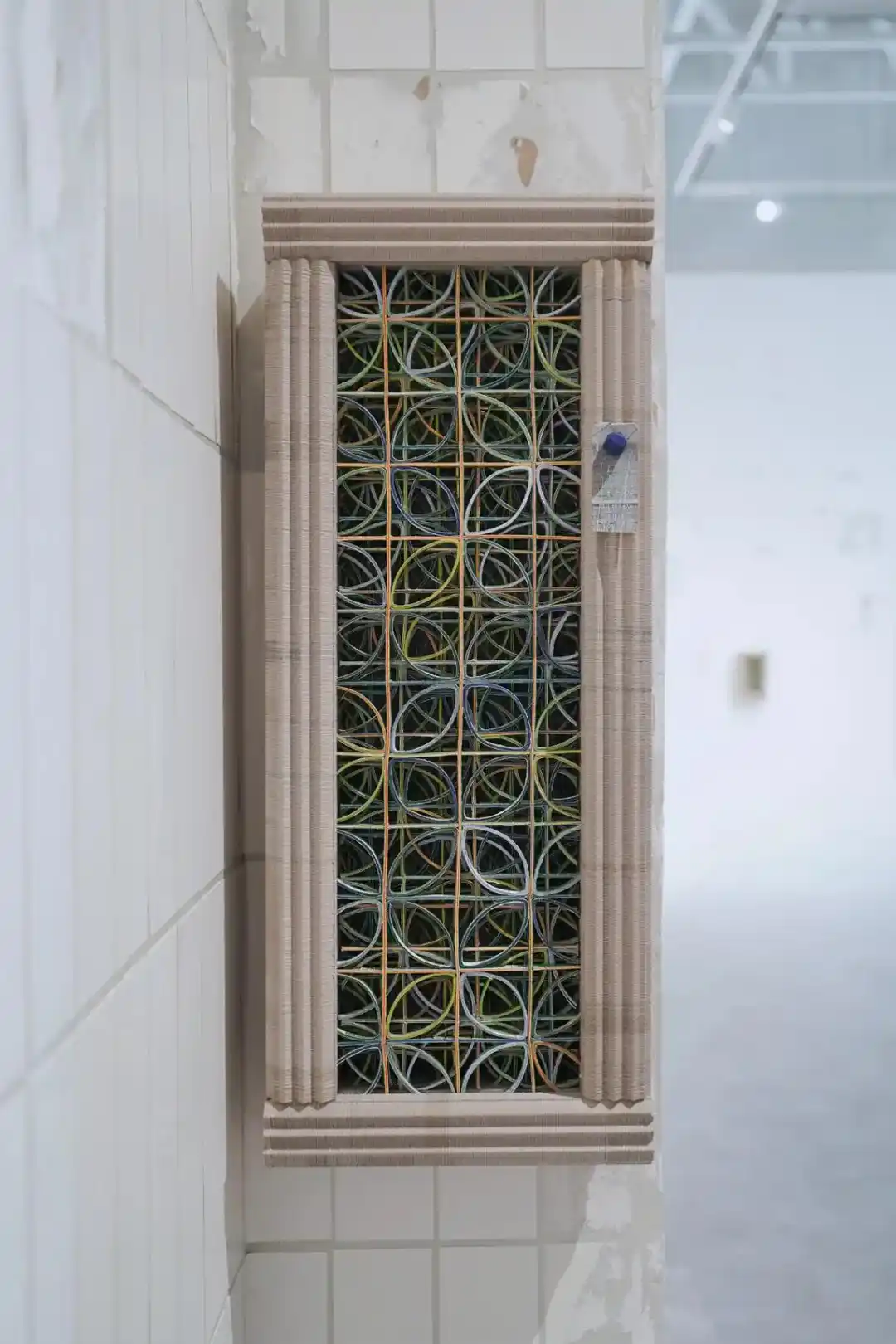
This architecture of fear is closely tied to the historical condition of the Tionghoa (Chinese-Indonesian) community in Indonesia which faced racial riots in Bandung in 1963 and 1973 and later witnessed the violence of 1998 across the country. Many of these families added more and more layers of iron bars after each political crisis, multiplying the trellises. This shows how distrust towards the state, even recent unrest of week-long protests erupted in several cities in August 2025 has led Bandung’s Chinatown shop owners to close their stores early, and Irfan translates this repeated defensive gesture into carefully paper structures.
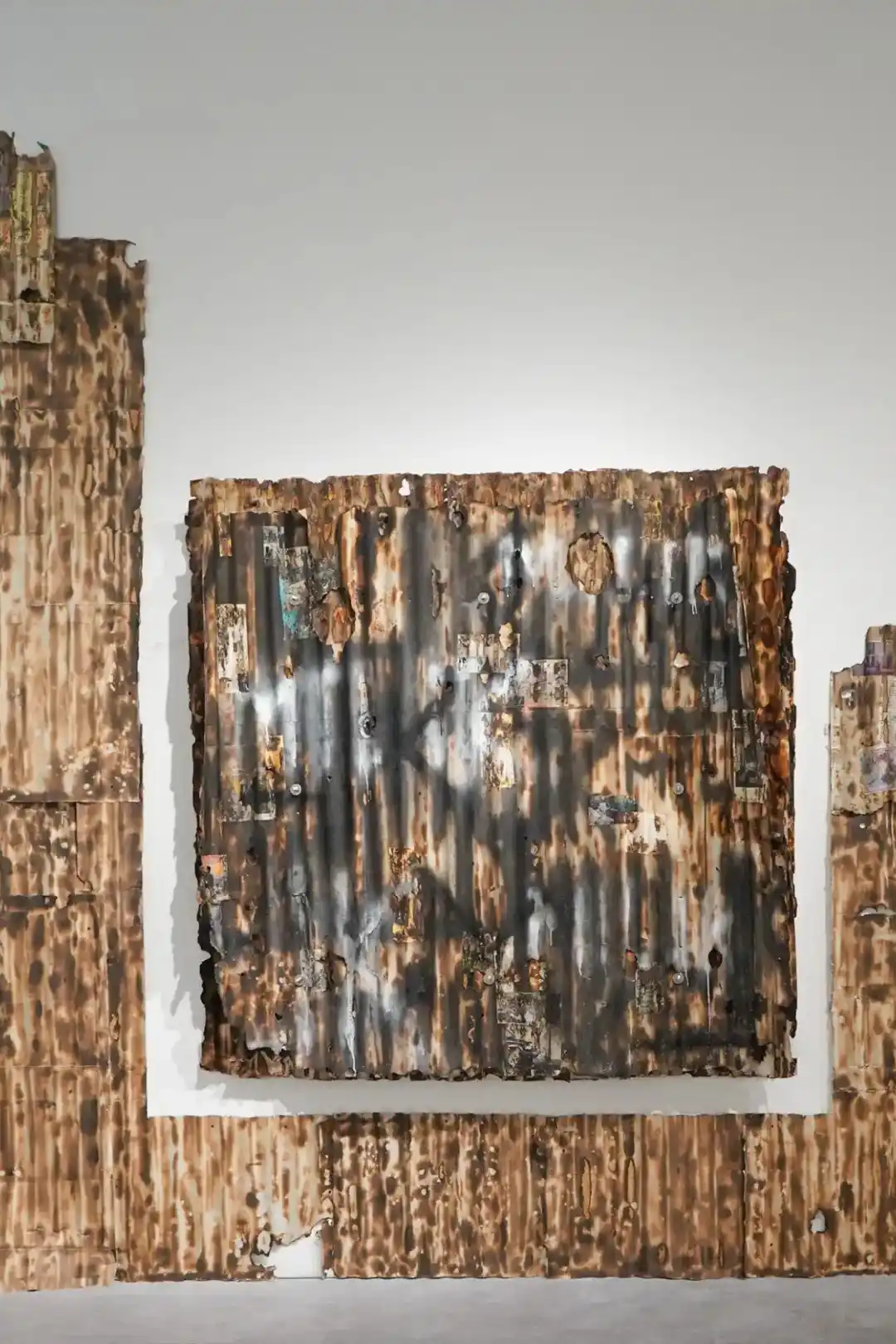
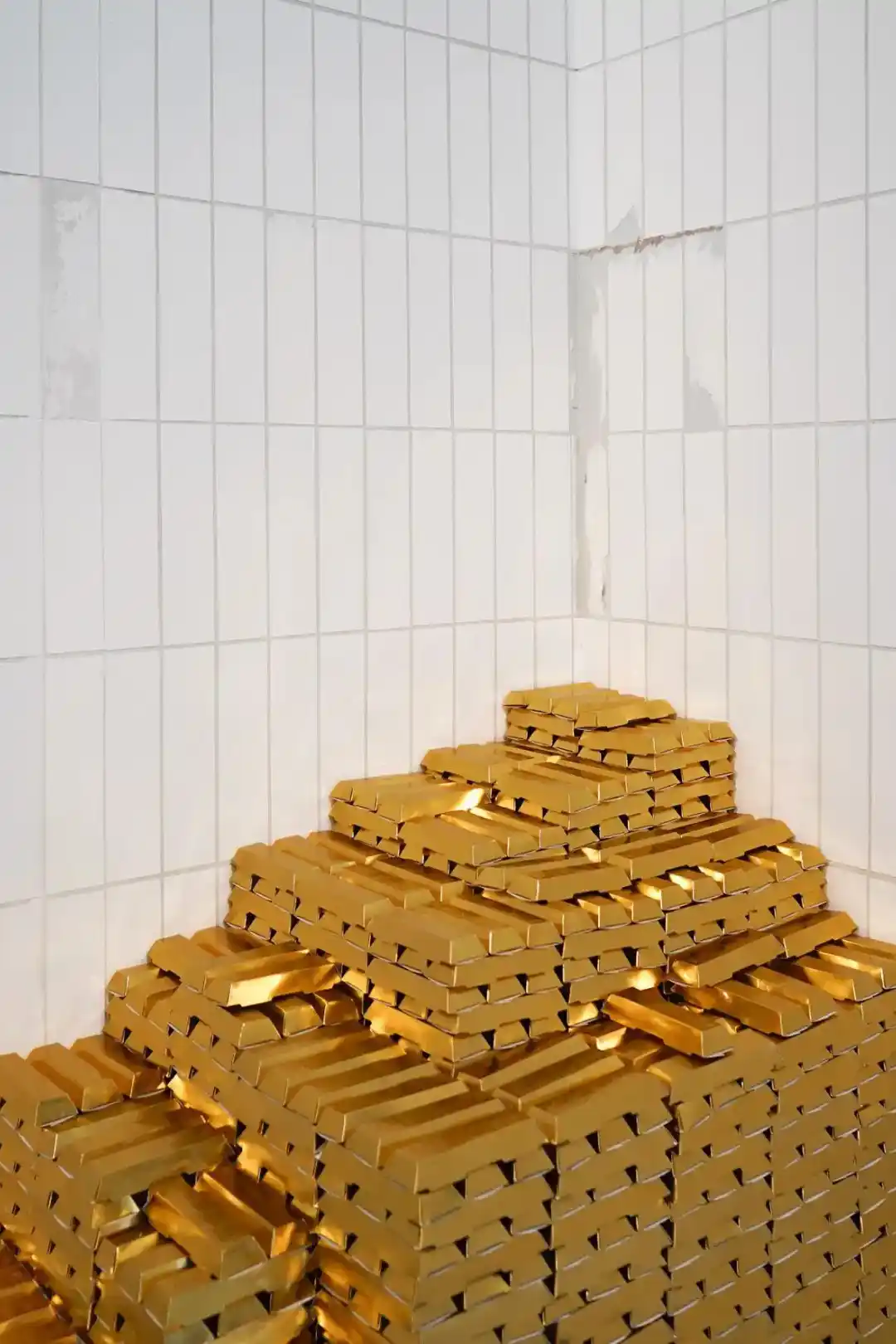
The same historical anxiety extends into works such as Paper Thin Protection, where rows of locks and key hooks line up across layered paper surfaces that resemble doors, suggesting urgency as well as vigilance. The locks seem firm, or at least it ‘conjured’ up the feeling of protection, despite its material remains paper. These items promise safety while never fully securing home, and Hendrian makes them from paper to expose their fragility, and the medium questions the belief that thickness and metal alone can guarantee stability.
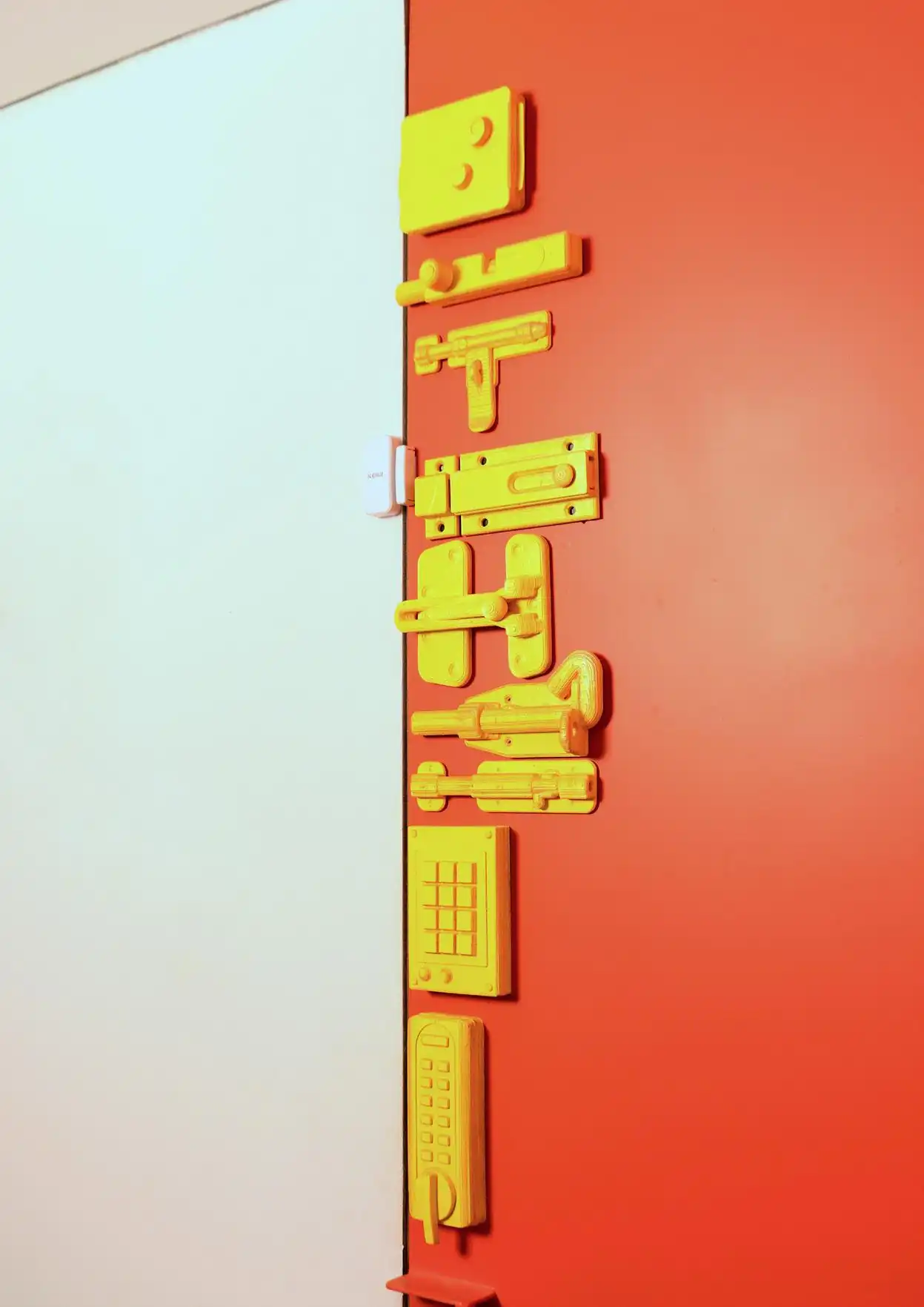
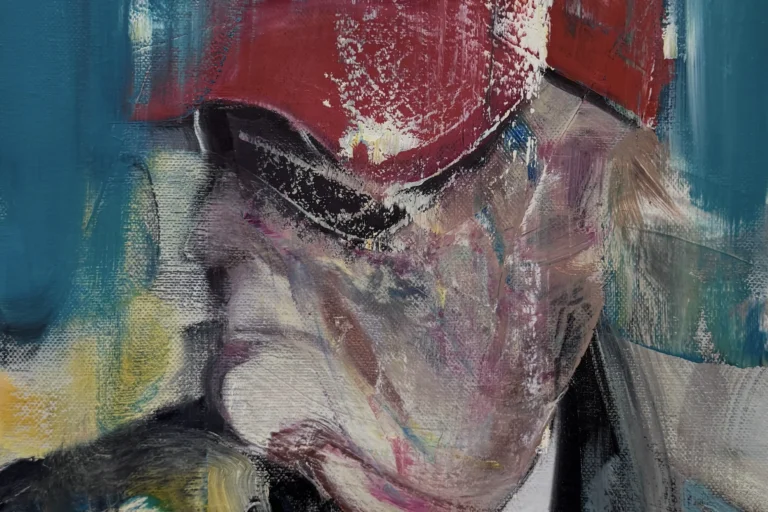
The concern with protection also shapes the conceptual layer of CLOSED, especially when Hendrian reprints photographs of the 1998 riots that were once erased during the 2024 presidential election. He collects and prints them again, resulting in partially concealed images. Since paper can hold and store what others try to remove, the exhibition keeps difficult histories materially present, and within the gallery space these paper works allow us to see how fear has settled into everyday architecture, how repeated violence has shaped the lives of the Chinese-Indonesian community, and what it means when protection begins to resemble confinement.
ara contemporary
CLOSED
A Solo Exhibition by Irfan Hendrian
31 January – 17 March 2026
ara contemporary
Jalan Tulodong Bawah I no 16
Jakarta 12190, Indonesia