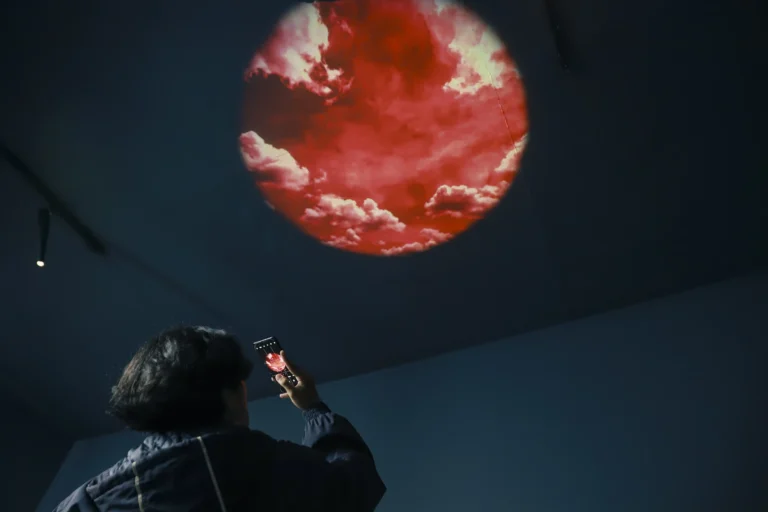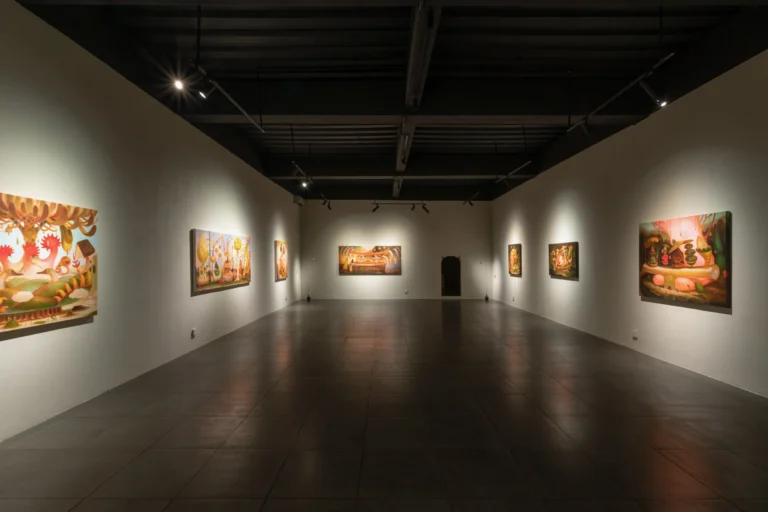

In the past, human life was in harmony with the rhythm of nature. With the rising sun, people spent their days working physically, and at sunset, they turned to spiritual activities. However, with the advent of the modern era, human lifestyle began to change. The presence of technology, such as lighting, enabled people to be active 24 hours a day. Darkness was no longer a limitation, and spaces became more fluid in their functions. These changes, however, subconsciously “force” us to be more productive, but in the process, we also lose balance with nature and ourselves.
In the modern era, urban societies face a social phenomenon of inadequate living spaces. A decent living space means a safe, comfortable, healthy, and thriving environment for its occupants. However, this idea is often contradicted by the harsh realities of urban development, which prioritizes economic growth over human well-being. The relentless pursuit of progress and development in cities has led to a never-ending cycle of construction and expansion, driven by economic interests. The rapid pace of city life and the density of urban populations have resulted in the neglect of ideal living spaces. The importance of harmonious living environments, which was once a cornerstone of traditional societies, has been eroded by the massive advancements of modernization.
In architectural practice, living spaces are undoubtedly a crucial entity. Figures like Eko Prawoto (1958 — 2023) has dedicated his career to exploring the notion of decent living through the perspective of architecture and beyond, where he upholds social values, cultural identity, and local context, demonstrating a genuine commitment to creating spaces that takes human well-being into account. Known for his critical thinking and engagement to cultural roots, his thoughtful approach has significantly influenced the country’s architectural development of contemporary design and sustainable building practices.
As an architect, he is renowned for his approach to designing spaces that exist in harmony between architecture and the various aspects of human living, including nature, social and culture. Through his practice, his life’s work has provided valuable lessons on simplicity, the interconnectedness of human life with the surrounding environment, and the importance of balance.
Eko Prawoto’s work principles can be seen in how he built his own house. Initially, he started building his house in a location surrounded by rice fields and without access to electricity, depicting a typical rural atmosphere. The house embodies his approach to architecture as an adaptive and continuous process. The house he built became the first house on its street. As the number of occupants increased, the house also expanded to accommodate more space and activities. Most of the structural elements consist of frames, such as posts and beams, allowing for easy modifications to the walls if needed.
Eko Prawoto extensively incorporated recycled elements and materials from old buildings, such as gebyok (ornate Javanese frontage), wooden posts and beams, bricks, and roof tiles. Each room features openings for air circulation and natural light, while the sloping roof protects against rain and excessive sunlight. The house combines concrete frames with wooden beam structures and incorporates ample green spaces which connect each room to the garden, as a means of his belief that architecture should grow organically within its environment.
By attempting to re-questioning modern life and re-examining the essence of architecture in life and human roles within it, Eko Prawoto’s architecture works are rooted in values about the importance of returning to nature, the surroundings, and social realities—eventually discovering architecture in its “true” framework. He tries to reveal the relationship between humans, nature, and architecture, as well as how architecture can become a means to enhance the quality of life and develop awareness of the surrounding environment.
Experiencing Eko Prawoto’s architecture speaks about how living spaces are not isolated structures but dynamic environments shaped by their surroundings. His works clearly show that architecture is not a solitary entity. His approach emphasizes simplicity, resourcefulness, andlocal traditions, reimagining how architecture, in this sense, is not about ego or aesthetic achievement—it is about its presence, interaction, and impact on people.